






The Taylor Swift Scooter Braun Feud: A Complete History, Impact, and Legacy
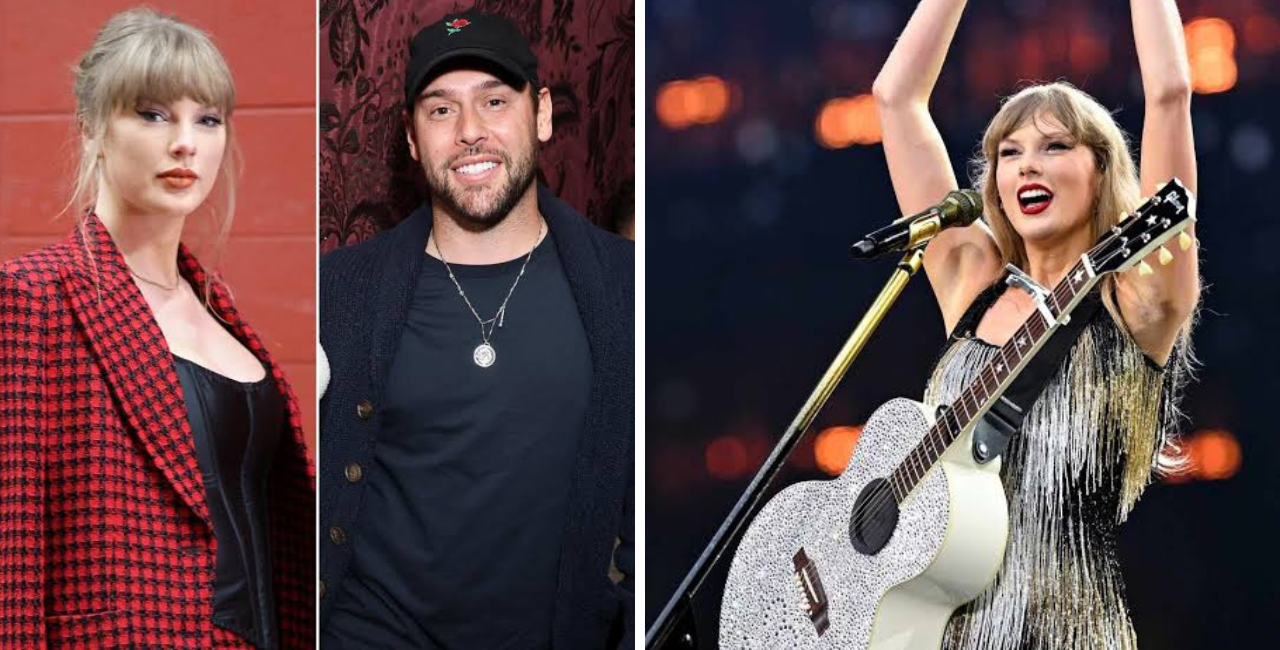
The conflict between Taylor Swift and Scooter Braun represents one of the most significant and public power struggles in modern music history. It is a story that transcends a simple business dispute, touching on artist rights, intellectual property, and the very soul of creative ownership in the digital age. This definitive guide unpacks every layer of the complex relationship between the pop icon and the powerful music executive, from the initial sale of her masters to the re-recording project that has reshaped the industry.
The Origins of the Conflict
The foundation of the Taylor Swift Scooter Braun saga is rooted in the acquisition of her former record label, Big Machine Records. In June 2019, Braun’s company, Ithaca Holdings, purchased the label for a reported $300 million. This deal included the master rights to Swift’s first six studio albums, a move that blindsided the singer-songwriter. Swift had been attempting to buy her masters for years, but the terms offered by Big Machine founder Scott Borchetta were reportedly unattainable, leaving her in a position where her life’s work was being sold to someone she had publicly criticized.
The sale represented a profound loss of control for Swift. For any artist, their master recordings are their legacy, the tangible proof of their creative output. For Swift to see them transferred to a figure she had described as a “bully” was not just a business transaction; it felt like a personal betrayal. This moment of shock and disappointment would act as the catalyst for a multi-year campaign to reclaim her narrative and her music.
The Public Announcement and Immediate Fallout
Swift’s response was immediate and incendiary. She took to her Tumblr page to express her devastation and anger, detailing her frustrations with Borchetta and Braun. She described the situation as her “worst case scenario,” highlighting how she had felt silenced and bullied throughout the process. This public callout was a masterclass in narrative control, framing the dispute not as a business squabble but as a battle for artistic integrity. The post swiftly went viral, drawing global attention to the issue and placing Braun on the defensive.
The fallout from the announcement was massive. Fans, or “Swifties,” mobilized in support of their idol, creating a wave of negative press for Braun. High-profile figures like Halsey and Todrick Hamilton publicly sided with Swift, while Braun’s roster of clients, including Justin Bieber and Demi Lovato, offered more cautious support. The Taylor Swift Scooter Braun feud had become a defining cultural moment, showcasing the power of a massive fanbase to challenge the established power structures of the music industry.
Understanding Music Masters and Ownership
To truly grasp the gravity of the Taylor Swift Scooter Braun dispute, one must understand what a “master” is and why it holds so much value. A master recording is the original, definitive recording of a song or album. It is the source from which all copies, streams, and physical releases are derived. Owning these masters means controlling how the music is licensed, used in commercials, films, and other media, and profiting from every stream and download. For a creator, this represents both creative control and a significant revenue stream.
The legacy of the music industry is built on the power of master ownership. In the past, labels held all the leverage, signing artists to contracts that often stripped them of their rights in exchange for production and distribution. The Taylor Swift Scooter Braun ordeal brought this antiquated system back into the spotlight. By openly discussing her loss of control over her work, Swift highlighted a systemic problem that many artists before her had faced in private, turning a personal grievance into a powerful, public conversation about fairness and equity.
The Role of Big Machine Records
Big Machine Records, founded by Scott Borchetta, was the label that discovered and nurtured Taylor Swift’s early career. Their partnership was pivotal in launching her from a country singer-songwriter into a global phenomenon. This professional relationship was built on a foundation of mutual respect and shared success. However, the terms of Swift’s initial contract, like many in the industry, did not grant her ownership of the masters, leaving her future control over her work dependent on the label’s goodwill.
When Swift began to negotiate for her masters, she felt she was met with unfavorable conditions. The eventual sale to Braun’s company was the final straw. While some argued that Borchetta had the right to sell his assets, Swift’s perspective was one of betrayal. She believed the business relationship had failed to honor her contributions and legacy. This added a layer of personal hurt to the Taylor Swift Scooter Braun saga, as it involved not just an industry rival but a former mentor figure whose actions she interpreted as a final act of disloyalty.
Scooter Braun’s Perspective and Response
From Scooter Braun’s perspective, the acquisition of Big Machine Records was a standard business deal—a significant investment in a valuable catalog of music assets. He and his team argued that they had legally acquired the masters and that Swift was given the opportunity to bid for them. Braun maintained that he and his team attempted to reach out to Swift and her team privately to resolve the issue before it became a public spectacle. He posited that the dispute was a manufactured conflict meant to sway public opinion.
Despite his public statements and offers to negotiate, the narrative largely remained unfavorable to Braun. His attempt to position the deal as a savvy business move was overshadowed by Swift’s powerful framing of the issue. The Taylor Swift Scooter Braun feud became emblematic of the “old guard” of the music business versus the “new guard” of artist-centricity. Even with his attempts to explain his side, Braun struggled to shake the image of the corporate raider, forever linking his name to one of the most controversial deals in music history.
The Re-Recording Project as a Strategic Response
Swift’s most ingenious response was her decision to re-record her masters. This allowed her to create new, fully-owned versions of her first six albums. The strategy was twofold: it devalued Braun’s prized assets and provided her fans with an alternative that supported the artist directly. By reclaiming her work, Swift not only took back creative control but also created a massive new revenue stream for herself. This move turned a devastating loss into a proactive and empowering act of reclamation.
The re-recordings, which she titles “Taylor’s Version,” have been commercially and critically acclaimed. Fans have flocked to the new versions, propelling them to record-breaking success. This project is the definitive legacy of the Taylor Swift Scooter Braun dispute, demonstrating a powerful legal and moral workaround. It has inspired a new generation of artists to consider their own rights and the value of their masters, effectively reshaping the conversation around artist ownership forever.
The Key Players and Their Motivations
Beyond Taylor Swift and Scooter Braun, several other key figures have shaped this narrative. Scott Borchetta, the founder of Big Machine, played the role of the dealmaker, choosing the buyer of his company’s assets. His decision to sell to Braun, knowing the history between Swift and the manager, felt like a direct breach of trust to Swift. Borchetta, however, maintained that he acted in the best interest of his label and investors.
On the other side, Braun’s backers, including his family office and investors like The Carlyle Group, were motivated by the financial upside of owning a proven hit catalog. Additionally, the artists on Braun’s roster, like Justin Bieber, were caught in the middle, navigating their professional obligations and personal loyalties. The complexity of these relationships demonstrates that the Taylor Swift Scooter Braun conflict was not a simple binary but a web of business and personal interests.
Key Milestones in the Taylor Swift Scooter Braun Timeline
| Year | Milestone | Significance |
|---|---|---|
| 2018 | Swift signs with Republic Records. | Ends her tenure with Big Machine. Negotiations for her masters reportedly break down. |
| June 2019 | Braun’s Ithaca Holdings acquires Big Machine Records. | The sale is finalized, granting Braun ownership of Swift’s first six album masters. |
| June 2019 | Swift publicly denounces the deal on social media. | The Taylor Swift Scooter Braun feud becomes public, sparking global debate. |
| November 2019 | Swift is blocked from performing her old songs at the AMAs. | This incident fuels public outrage and highlights the strict control over her masters. |
| October 2020 | Braun sells the masters to Shamrock Holdings. | A new company acquires the masters, but Swift refuses to work with them due to ongoing disputes. |
| April 2021 | Release of Fearless (Taylor’s Version). | The first of Swift’s re-recorded albums drops, providing a new, superior alternative. |
| November 2021 | Release of Red (Taylor’s Version). | The re-recording project gains massive momentum, shattering streaming records. |
| July 2023 | Braun announces his retirement from music management. | This marks the end of an era for the manager, with the feud being a defining chapter. |
| 2023-2024 | Swift continues releasing “Taylor’s Version” albums. | The project solidifies Swift’s legacy and sets a new standard for artist empowerment. |
Celebrity Reactions and Industry Support
The Taylor Swift Scooter Braun feud was a defining moment for the industry, prompting strong reactions from numerous celebrities. Artists like Selena Gomez, Cara Delevingne, and Iggy Azalea publicly voiced their support for Swift, praising her courage and resilience. Their statements added a layer of community backing that further intensified the public scrutiny on Braun. The support was not just about a personal friendship but a profession-wide endorsement of her fight for ownership.
Conversely, artists connected to Braun, such as Justin Bieber and Scooter Braun’s other clients, often responded with more measured or defensive statements. This clear divide in the celebrity world mirrored the broader public sentiment and further proved the influence Swift has over the court of public opinion. Ultimately, the overwhelming support from Swift’s peers underscored a shifting attitude in the industry, where artist rights were becoming the central focus of a long-overdue conversation.
The Sale of the Masters to Shamrock Holdings
In a surprising twist, Braun sold the master recordings to Shamrock Holdings, a private equity firm, in late 2020, for a reported $405 million. This deal, while making Braun a significant profit, was not met with relief from Swift. Instead, she announced she would not license her music to Shamrock either, citing her deep-seated mistrust stemming from the original deal. She revealed that she was already in the middle of re-recording her catalog, making any deal with the new owners irrelevant to her primary goal.
This sale represented a strategic move by Braun to offload an asset that had become a public relations liability. Yet the timing and the conditions of the sale kept Swift’s principles intact. She maintained that as long as the masters were not under her full control, she would continue her re-recording project. For Swift, the principle of ownership, or its lack thereof, remained the most important issue, regardless of who held the legal rights. The Taylor Swift Scooter Braun legacy could not be undone simply by a change in ownership.
The Impact on Future Artist Contracts
The legacy of the Taylor Swift Scooter Braun dispute has directly influenced how artists and labels negotiate contracts. Aspiring and established musicians alike are now more aware of the importance of owning their masters. Swift’s public battle has provided a masterclass in the power of advocacy, encouraging artists to either demand ownership or negotiate for a path to reversion. The conversation has shifted from a standard “work-for-hire” model to a more equitable partnership.
This has led to a palpable shift in the music business landscape. Labels are increasingly pressured to offer more favorable terms, and artists are more willing to walk away from deals that do not grant them adequate creative and financial control. The idea of signing a deal without understanding or fighting for master rights is now seen as a monumental risk. In this way, the Taylor Swift Scooter Braun story served as a watershed moment for the industry.
Reclaiming the Narrative through “Taylor’s Version”
The “Taylor’s Version” project stands as the most powerful creative act of the entire feud. By re-recording her albums, Swift has not only reclaimed her economic rights but has also seized the narrative. She has transformed the negative experience of being sold into a positive act of artistic reclamation. Each release is a triumphant victory lap, inviting fans to celebrate her art on her own terms. The project’s commercial success proves that artists can overcome even the most challenging of industry constraints.
Beyond the music itself, the project allows Swift to revisit and expand upon her previous work. The “Vault” tracks offer fans a deeper insight into her creative process, adding immense value and context to the re-recordings. It is a stunning example of turning an industry practice that once seemed predatory into an opportunity for creative renewal. Ultimately, the Taylor Swift Scooter Braun conflict’s most visible outcome is the renewed and wildly successful second life of Swift’s early catalog.
The Evolving Definition of Artist Empowerment
The conflict between Taylor Swift and Scooter Braun has fundamentally altered the definition of artist empowerment in the twenty-first century. It has moved the conversation beyond artistic freedom to include financial and intellectual ownership. Swift has championed the idea that artists should be the ultimate stewards of their work, not merely performers for a corporate machine. This evolution has forced fans, industry professionals, and even lawmakers to reconsider the power dynamics inherent in the music business.
Swift’s actions have set a precedent for an era where artists are expected to be savvy businesspeople as well as creators. Her willingness to speak out publicly and use her massive platform to effect change has provided a blueprint for others. The term “artist empowerment” will forever be linked to her fight against the system. In the aftermath of this dispute, the idea that an artist can and should own their legacy is no longer just a desire; it’s a growing standard, and the Taylor Swift Scooter Braun feud was its most powerful catalyst.
The Business of Music Management Today
The Taylor Swift Scooter Braun saga has also forced a reevaluation of the role of a music manager. Traditionally, a manager negotiates deals, guides the artist’s career, and takes a percentage of their earnings. Braun’s role as a mogul who buys and sells artist catalogs represents a new, more corporate breed of management. His actions highlighted the potential conflicts of interest that can arise when a manager’s own business interests diverge from those of the artists they represent.
This situation has sparked a broader debate about how much power a manager should wield. Some argue that Braun was simply playing the game better than everyone else, while others see it as a dangerous overreach of authority. The scrutiny has led to greater transparency and a more critical eye on how management companies operate. The Taylor Swift Scooter Braun conflict has, in many ways, forced managers to be more mindful of their public image and their ethical responsibilities to their clients.
Financial Implications of the Re-Recording Strategy
The economics of Swift’s re-recording strategy are both brilliant and devastating for those who held her original masters. By issuing “Taylor’s Version,” she provides a competing product that fans prefer. This directly reduces the streaming numbers, sales, and licensing potential of the original masters. While Braun did profit from the initial sale, his long-term potential earnings from the catalog are significantly diminished. Swift’s financial acumen allowed her to reclaim her income stream with surgical precision.
“The creation of the ‘Taylor’s Version’ project is not just a business move; it’s a profound act of reclaiming your own history. It’s a statement to the industry that an artist’s value is inextricably linked to their own story.” – A music industry executive cited in a recent report on artist rights.
This serves as a powerful lesson in value creation. Swift’s re-recordings are not mere copies; they are an improved product with immense emotional and nostalgic value for consumers. This economic warfare has shown that an artist’s relationship with their fanbase is an asset that no contract can fully own. The financial narrative of the Taylor Swift Scooter Braun dispute will be studied in business schools for years to come.
How Streaming Changed the Masters Equation
The rise of streaming has dramatically increased the importance of master ownership. While physical and digital sales still matter, streaming provides a continuous, long-term revenue stream. Every time a song is played on a platform like Spotify or Apple Music, the owner of the master receives a share of the royalties. Therefore, controlling a master recording in the streaming era is a perpetual source of income, making the asset far more valuable than it was in the past.
Swift’s fight was, in part, a fight for the future of her income. By allowing Braun to own her masters, she would be surrendering control over the music that generates billions of streams. The Taylor Swift Scooter Braun dispute therefore highlighted the immense financial stakes involved in the streaming economy. It has made artists acutely aware of how modern consumption models make master rights more critical than ever, transforming a legacy business practice into a modern-day gold rush.
Public Perception and Fan Activism
The role of fan activism in the Taylor Swift Scooter Braun feud cannot be overstated. “Swifties” played a crucial role in amplifying Swift’s message and creating a hostile environment for Braun. They organized social media campaigns, boycotted his clients, and helped ensure that the public saw the conflict through Swift’s lens. This massive, coordinated effort turned the dispute into a cultural event that dominated news cycles for months.
The fanbase’s actions proved that modern pop stardom is more than just about music; it’s a communal relationship built on mutual respect and shared values. By passionately defending their idol, Swift’s fans became an active participant in the business narrative. This unprecedented level of fan engagement set a new standard for how artists can leverage their supporters to fight institutional power. The Taylor Swift Scooter Braun conflict demonstrated that a fanbase is a powerful force that can reshape public opinion and influence the trajectory of an artist’s career.
Media Coverage and the Narrative War
From its inception, the Taylor Swift Scooter Braun feud was a fierce battle for the dominant narrative. Swift’s use of social media to control her story was met with Braun’s attempts to frame the situation as a business deal gone awry. The media quickly took sides, with many major outlets supporting Swift’s emotional and personal appeal over Braun’s corporate rationale. This narrative war underscored the power of storytelling in a post-digital world.
The coverage often painted Swift as the underdog fighting against a powerful male-dominated system, a narrative that resonated deeply with the public. Braun, despite his power and influence, was unable to effectively combat this framing. The media’s portrayal ultimately contributed to the public’s lasting memory of the conflict, shaping it as a righteous fight for artistic justice. In the end, the Taylor Swift Scooter Braun story became a testament to the power of personal narrative in shaping business history.
The Role of Intellectual Property in the Music Industry
This historic feud has thrust the complex issue of intellectual property (IP) in music into the mainstream. For a long time, the ownership of IP was a dry, backend business discussion. Swift’s fight made it personal and accessible. She connected the abstract concept of a “master recording” to a creator’s heart and soul, transforming IP into a deeply emotional issue. Her campaign educated the public on a topic that was long ignored.
Swift’s efforts have empowered a new generation of creators to view their music as an asset to be protected and valued. The conversation around IP has become a focal point for any artist signing a record deal. The willingness to litigate a fight for ownership, even after the fact, shows the immense personal and commercial value of IP. As such, the Taylor Swift Scooter Braun conflict will forever be a landmark case in the modern understanding of music as intellectual property.
The Personal Toll of a Public Feud
The conflict was not just a professional battle; it was a deeply personal one for all involved. Swift has been open about the distress and betrayal she felt, framing the situation as a loss of her history. The public nature of the dispute added immense pressure, as every move was scrutinized by millions. The ability to continue producing and performing at such a high level under that stress is a testament to her resilience.
Similarly, Scooter Braun faced immense public backlash and personal attacks, leading to a difficult period in his career. The feud took a toll on his professional reputation, forever associating his name with a controversial chapter in music history. The Taylor Swift Scooter Braun saga is a stark reminder that in the age of hyper-connectivity, business disputes become deeply personal, leaving lasting marks on the lives and careers of those involved.
Comparing Similar Artist-Label Disputes
While the Taylor Swift Scooter Braun case is unique in its scale and publicity, it is far from the first of its kind. Many artists, including Prince, Paul McCartney, and Janet Jackson, have famously fought for control of their masters. Prince’s “slave” contract and McCartney’s battles to regain the rights to Beatles songs set the precedent for artist activism. However, Swift’s dispute took place in the social media age, allowing her to mobilize her fanbase in a way that previous generations could not.
The scale of Swift’s success in re-recording her work sets her apart. She has achieved a level of commercial victory that few others have matched. Her strategy is now being considered by other artists as a viable path to regaining control. The Taylor Swift Scooter Braun conflict has therefore become a case study in how modern technology and fan engagement can turn a disadvantage into a revolutionary advantage.
Lessons for Aspiring Artists
The most significant legacy of the Taylor Swift Scooter Braun feud is the lessons it provides for aspiring artists. The first and most important lesson is to read the contract. Understanding the terms of master ownership, reversion rights, and licensing is not just a formality; it is a crucial step in building a sustainable career. Swift’s fight underscores the need for artists to be their own best advocate, or at least to hire representation that will fiercely protect their long-term interests.
Second, the feud teaches the value of owning one’s narrative. Swift’s use of her platform to directly address her fans allowed her to bypass traditional media filters and speak her truth. It shows that an artist’s relationship with their audience is their greatest asset. Finally, the story demonstrates that patience, strategy, and long-term vision can overcome seemingly insurmountable obstacles. The Taylor Swift Scooter Braun saga is a powerful example that artists have more power than they often realize.
The End of an Era: Braun’s Retirement
In a move that seemed to close a significant chapter, Scooter Braun announced his retirement from music management in 2023. While his decision was multi-faceted, it is impossible to ignore the impact that the Taylor Swift conflict had on his public image. The constant public scrutiny and the association with the fight over an artist’s masters likely played a role in his decision to step back from the intense spotlight of managing top-tier talent.
Braun’s retirement effectively signaled the end of an era. He had been one of the most powerful figures in the industry, and his departure marks a shift in power. The feud with Swift was a defining, and perhaps definingly negative, moment of his career. It highlighted the increasing difficulty of managing public perception in a world where the artist-fan connection is so direct. The Taylor Swift Scooter Braun story will remain a central part of his professional legacy.
Analyzing the Legacy of the Conflict
The legacy of the Taylor Swift Scooter Braun conflict is multifaceted and far-reaching. For Swift, it has cemented her status not only as a musical icon but as a formidable businesswoman and a champion for artist rights. She transformed a defeat into a victory, creating a new body of work that is both a commercial success and a powerful political statement. Her legacy is one of resilience, intelligence, and unyielding self-advocacy.
For Braun, the legacy is more complex. While he made a considerable profit from the sale of the masters, his public reputation suffered greatly. He became the face of the “old guard” of the music industry. The conflict serves as a cautionary tale about the limits of corporate power when facing an artist with a passionate fanbase. Ultimately, the Taylor Swift Scooter Braun saga will be studied as a turning point in the music industry, where the balance of power began to shift decisively in favor of the artist.
The Future of Artist Rights and Music Ownership
Looking ahead, the music industry is moving toward a future where artist rights and music ownership are paramount. The Taylor Swift Scooter Braun dispute has accelerated the conversation around equitable contracts, copyright law, and creative control. We are seeing more artists sign deals that allow them to retain ownership, or at least secure a defined path to reversion. Legislation is also being considered to protect creators and ensure they are fairly compensated for their work.
The digital age provides artists with more tools than ever to build independent careers. The direct-to-consumer model, exemplified by Swift’s re-releases, is becoming the gold standard for empowering artists. The industry is gradually moving away from the exploitative practices of the past. While the fight is not over, the Taylor Swift Scooter Braun conflict will be remembered as a major milestone in this ongoing evolution.
Conclusion
The Taylor Swift Scooter Braun feud is far more than a celebrity squabble. It is a pivotal narrative in modern music history that has redefined the relationship between artists and the industry. Swift’s strategic and emotional response to the sale of her masters has empowered a generation of musicians and reshaped the conversation around creative ownership. Her successful re-recording project stands as a monumental achievement, demonstrating that an artist’s bond with their audience is the ultimate power.
The dispute has left an indelible mark on the music business, prompting labels to reconsider their practices and artists to demand more control. As the industry evolves, the lessons learned from this conflict will continue to influence how music is made, owned, and valued. Ultimately, the Taylor Swift Scooter Braun saga serves as a powerful testament to the enduring strength of artistic integrity and the unbreakable connection between a creator and their work.
FAQ
What was the primary cause of the Taylor Swift Scooter Braun feud?
The primary cause of the Taylor Swift Scooter Braun conflict was the acquisition of Swift’s former label, Big Machine Records, by Braun’s company. This deal gave Braun ownership of the master recordings for Swift’s first six albums, which she had long sought to purchase for herself.
Why did Taylor Swift decide to re-record her albums?
Taylor Swift decided to re-record her albums to regain control over her artistic legacy and profit from her own work. By creating “Taylor’s Version” of these albums, she owns the new masters and provides fans with a legitimate alternative to the originals, directly undermining the value of the masters owned by Scooter Braun.
Did Scooter Braun ever apologize to Taylor Swift?
While Scooter Braun has made public statements expressing that he attempted to find a resolution, a direct, public apology to Taylor Swift has not been clearly articulated. The feud has largely continued through public statements and business maneuvers rather than a personal reconciliation.
Is Taylor Swift the first artist to re-record her masters?
No, Taylor Swift is not the first artist to re-record her masters. Other artists, including Prince and Def Leppard, have previously taken similar steps to regain control of their music. However, Swift’s project is the most commercially and culturally significant in modern history.
Who currently owns Taylor Swift’s original masters?
The original master recordings of Taylor Swift’s first six albums are currently owned by Shamrock Holdings, a private equity firm. Scooter Braun sold the masters to Shamrock in 2020 after he acquired them from Big Machine Records.